What Chuck Ozeas' work teaches us about building a visual language for television
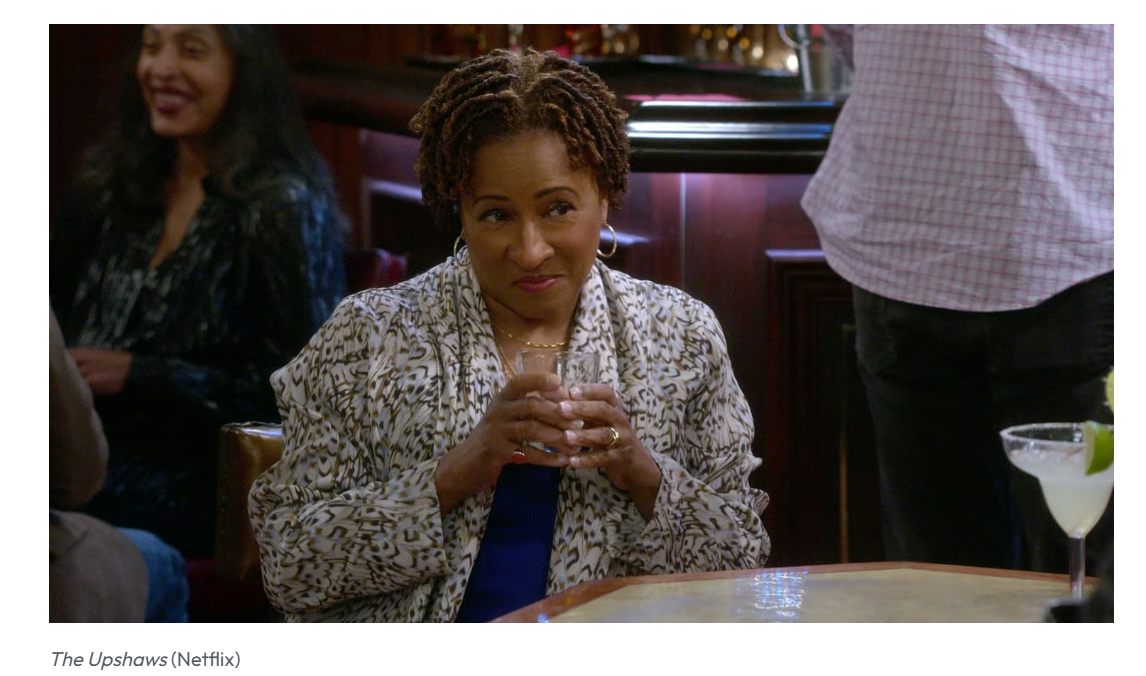
When audiences sit down to watch a sitcom, they're usually thinking about the jokes. They're waiting for the punchline. They're following the characters. They're watching the story unfold.But behind every laugh is a team of artists making hundreds of creative decisions that most viewers never consciously notice.
Where should the light come from?
How should a room feel?
What should a character look like?How should one location connect visually to another?
What colors should define the world?
Perhaps most importantly:
How do you make a television show look like itself?
That's where cinematography becomes storytelling. The American Society of Cinematographers' recent Clubhouse Conversations discussion on Netflix's The Upshaws offers a fascinating look into that process through the work of cinematographer Chuck Ozeas. The conversation, moderated by John Simmons, ASC, explores how Ozeas helped develop and maintain the show's visual identity across five seasons.
There's a bigger lesson here for filmmakers, content creators, and entrepreneurs:
Your visual identity is part of your brand.
Building a Look
The Upshaws centers on a Black working-class family pursuing its version of the American Dream in Indiana. Created by Regina Y. Hicks and Wanda Sykes, the series follows Bennie Upshaw, played by Mike Epps, as he attempts to balance his family, marriage, children, and auto-body business.
For Ozeas, the challenge wasn't simply lighting individual scenes.It was creating a visual language that could remain consistent while the production evolved.He stepped into the director of photography role during Season 1 and helped shape the show's look across five seasons. That meant understanding not only individual scenes, but the visual DNA of the entire series.
That's an important distinction.A cinematographer isn't simply deciding where to put a light. They're helping determine how an audience experiences the world of the story.
The Set Becomes Part of the Story
One of the interesting elements highlighted in the ASC conversation is how Ozeas approached the show's swing sets.Instead of treating those sets as fixed environments, he saw them as opportunities to redesign and rethink the lighting. That mindset is valuable far beyond television. Creative environments aren't necessarily limitations.Sometimes they're invitations.The question becomes:
What can I do with what I already have?
That's a powerful lesson for independent filmmakers working with limited budgets.You don't always need a bigger set.You need a better understanding of the set you already have.
Art Doesn't Stop at the Gallery
Another fascinating part of Ozeas' approach is the influence of fine art. The ASC notes that artists including Andy Warhol, Keith Haring, David Hockney, Rembrandt, and Johannes Vermeer influenced his visual thinking, including his approach to single-source lighting.
Think about what that means. A television cinematographer working on a modern sitcom is drawing inspiration from centuries of visual art. That is a reminder that filmmaking doesn't exist in a vacuum.Cinema borrows from painting.Television borrows from photography.Advertising borrows from cinema. Music videos borrow from fashion.And today's social media creators borrow from all of it. The best visual storytellers aren't simply learning cameras.They're learning how to see.
Consistency Is a Creative Skill
One of the hardest things about building a visual identity isn't creating something interesting once. It's creating something recognizable repeatedly.Ozeas' work on The Upshaws involved developing systems for matching lenses and establishing LUTs as part of the show's color pipeline.
That technical discipline supports the creative vision. And that's an important lesson for independent creators.Your brand isn't defined by your best piece of content.It's defined by what people recognize when they see your next piece of content.Consistency creates recognition.Recognition creates trust.And trust creates brand equity.
Behind the Comedy Is Serious Craft
The fact that Ozeas was nominated for a 2026 Emmy for Outstanding Cinematography for a Series (Half-Hour) for The Upshaws' Season 5 episode "Indy Streets" is another reminder that comedy deserves serious visual craftsmanship.
The audience may come for the laughs.But the people behind the production are still solving sophisticated creative problems.That is what makes television such a collaborative art form. The writer creates the words.The actors create the performances. The director shapes the scene. The cinematographer shapes how we see it. The production designers build the environment.The editors shape the rhythm.And together, they create the experience.
The HODB Lesson
For HODB, there is a bigger takeaway. Whether you're producing a television show, building a film, launching a podcast, creating social content, or building a personal brand, how you present the story matters almost as much as the story itself.
Your colors matter.
Your lighting matters.
Your framing matters.
Your locations matter.
Your consistency matters.
Your creative references matter.
the choices you make repeatedly become your visual identity. That's why filmmakers should study cinematography.Entrepreneurs should study branding. Creators should study composition. And storytellers should study art. Because ultimately, we're all trying to accomplish the same thing:
Make people feel something.Chuck Ozeas' work on The Upshaws is a reminder that great visual storytelling doesn't necessarily announce itself. Sometimes it simply makes the audience feel like they belong inside the world of the story. And when cinematography works at that level, you stop noticing the technique. You simply experience the story.
The Move
For filmmakers and creators reading this, here's today's challenge:
Study something outside your discipline.
If you're a filmmaker, study painting. If you're a photographer, study cinema. If you're a marketer, study storytelling.If you're an entrepreneur, study visual branding.
Then ask yourself:
What can I bring back to my own work?
Because your next creative breakthrough may not come from learning something new. It may come from seeing something you've already seen...differently.
Source: The American Society of Cinematographers
HODB | Hot On Da Block Mag & Media
The best visual storytellers aren't simply learning cameras. They're learning how to see.”
P.S. Your story, brand, or next creative project deserves a strategy behind it. Get on my calendar and let's talk about your next move.